Understanding Collaboration Models in Creative Industries
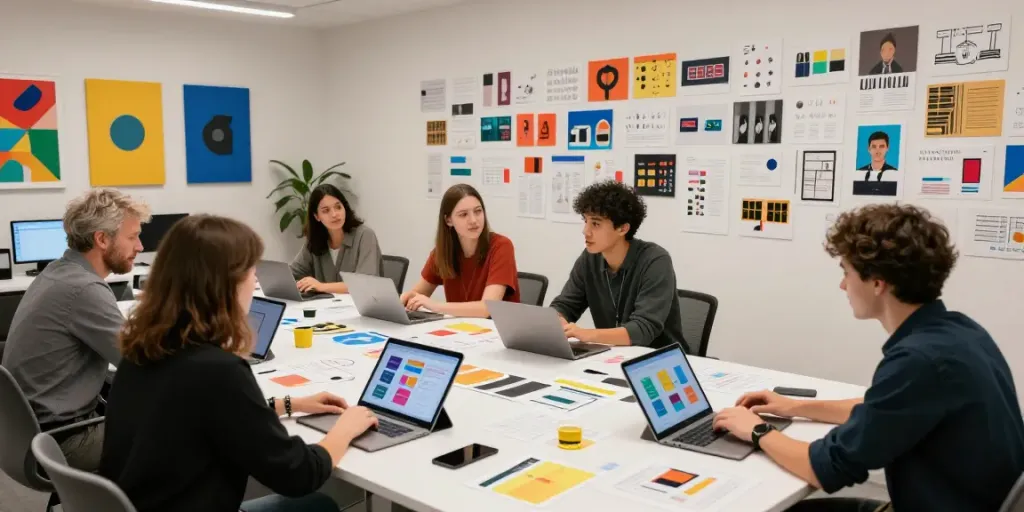
Collaboration between brands and creators is becoming increasingly significant in the creative industries, fueled by the rise of digital platforms and influencer marketing. As brands seek innovative ways to engage consumers, they often turn to creators—be they artists, influencers, or content producers—to co-create products, campaigns, and experiences. The synergy born from such partnerships can lead to remarkable results, but understanding the nuances and strategies behind these collaborations is crucial for success. When exploring options, collaboration marques et créateurs provides comprehensive insights into fostering successful brand partnerships.
Types of Collaborations: Temporary vs. Long-term
Collaborations can be broadly categorized into two types: temporary and long-term. Temporary collaborations are typically designed for specific campaigns or products, often resulting in limited-edition releases that create buzz and excitement among consumers. For instance, many fashion brands collaborate with celebrities or influencers for product launches that last for a season.
In contrast, long-term collaborations focus on building sustained relationships between brands and creators. These partnerships often emphasize brand loyalty and ongoing creative projects, such as co-developing a product line or an ongoing series of content. This type of collaboration may involve contractual agreements that outline the roles and expectations of both parties, aiming to create a deeper, sustained emotional connection with the target audience.
Building Brand Relationships: Strategies for Success
Successful collaborations rely on effective communication and alignment of goals between brands and creators. Here are a few strategies to consider:
- Define Clear Objectives: Determine the goals of the collaboration early on. Are you looking to enhance brand awareness, drive sales, or engage a specific audience? Clear objectives will guide the collaboration.
- Choose the Right Partners: The right creator should reflect your brand’s values and appeal to your target demographic. A thorough analysis of potential partners can lead to better outcomes.
- Leverage Data and Insights: Use analytics tools to assess past campaign performance and audience engagement. This data helps tailor future collaborations more effectively.
- Foster Creative Freedom: Allow creative partners the flexibility to express their vision within the boundaries of your brand ethos. Creative freedom often results in unique and authentic content.
Implementing Technology for Better Collaboration
In today’s digital age, leveraging technology is essential for enhancing collaboration between brands and creators. By integrating the right tools, teams can streamline workflows and improve efficiency.
Choosing the Right Tools: Software Development & Integration
Identifying suitable software tools that can aid collaboration is crucial. Options like project management software, collaboration platforms, and communication tools should be carefully evaluated based on functionality, security, and scalability. For instance, tools such as Trello, Slack, and Asana are widely used for project management, while GitHub and Bitbucket facilitate version control for software development projects. Selecting a solution that aligns well with existing workflows can significantly improve collaborative efforts.
Cloud Solutions for Collaborative Workflows
Cloud computing presents innovative solutions for collaborative workflows. By utilizing cloud-based platforms, teams can work from different locations while having real-time access to shared documents and resources. Services like Google Workspace or Microsoft 365 allow creators and brands to collaborate seamlessly on documents, spreadsheets, and presentations, reducing the need for physical meetings while boosting productivity.
Enhancing Communication with AI-Driven Platforms
AI-driven communication platforms are transforming how brands and creators interact, offering enhanced features such as smart scheduling, automated responses, and data analysis. These platforms can streamline communication, ensuring that collaborators remain informed and engaged throughout the project lifecycle. Technologies such as chatbots and predictive analytics not only improve communication efficiency but also provide valuable insights into audience behavior, further refining collaboration strategies.
Cybersecurity in Brand Collaborations
As collaborations become more technology-driven, the importance of cybersecurity cannot be overstated. Protecting intellectual property and sensitive data is a top priority.
Protecting Intellectual Property During Collaborations
During collaborations, sharing proprietary information such as designs, concepts, or marketing strategies can expose brands to risks. Implementing strict non-disclosure agreements (NDAs) and utilizing secure file-sharing platforms can help mitigate these risks. Additionally, employing digital watermarking technology can protect creative assets from unauthorized use.
Best Practices for Data Privacy Compliance
With various regulations governing data privacy, such as GDPR and CCPA, brands must ensure compliance during collaborations. This includes establishing clear data usage policies with partners and implementing robust security protocols to safeguard personal information shared during collaborative projects. Regular audits and staff training on data handling practices can further enhance compliance efforts.
Threat Mitigation Strategies for Collaborative Platforms
Collaborative platforms can be new targets for cyber threats. Employing multi-factor authentication (MFA), strong password policies, and regular software updates can significantly reduce vulnerabilities. Additionally, educating team members about phishing attacks and other cyber threats is crucial in promoting a security-first culture within collaborative environments.
Trends Shaping Collaborations in 2026
As we look toward 2026, several emerging trends are poised to shape the landscape of brand collaborations.
The Rise of Influencer Marketing
Influencer marketing continues to thrive, with brands increasingly partnering with micro and macro influencers who connect authentically with their audiences. By harnessing the influence of these creators, brands can effectively expand their reach and resonate with target demographics more efficiently.
The Impact of Virtual Reality on Collaboration
Virtual Reality (VR) offers innovative ways for brands and creators to collaborate, providing immersive experiences for consumers. Whether it's hosting virtual events or creating interactive marketing campaigns, the potential for engagement in a VR environment is vast, allowing for deeper connections and more creative storytelling.
Emerging Technologies in Creative Partnership Strategies
Technologies like blockchain and augmented reality (AR) are emerging as powerful tools in brand collaborations. Blockchain can enhance transparency and trust in partnerships by providing a secure way to track transactions and ownership of creative assets, while AR can create novel consumer experiences that elevate brand engagement.
Measuring Success in Collaborative Campaigns
To ensure the effectiveness of collaborative efforts, establishing key performance indicators (KPIs) is essential for tracking success and optimizing future collaborations.
Key Performance Indicators (KPIs) to Track
Some vital KPIs to consider include:
- Engagement Rates: Analyze likes, shares, comments, and overall engagement with campaign content.
- Conversion Rates: Measure how many users take action after viewing collaborative content, such as purchases or sign-ups.
- Brand Sentiment: Monitor consumer sentiment toward the brand before and after the collaboration through surveys and social media monitoring.
Analyzing User-Generated Content (UGC) Engagement
User-generated content (UGC) offers valuable insights into audience engagement and campaign effectiveness. Evaluating UGC can provide feedback on how well the collaboration resonates with the target audience, presenting opportunities to refine strategies and enhance future partnerships.
Adjusting Strategies Based on Feedback and Performance
Regularly assessing performance data and soliciting feedback from participating creators can help brands adjust their collaboration strategies. Flexibility and responsiveness to insights gained from collaborative campaigns can foster stronger partnerships and improve overall results.
FAQs
What is a collaboration with a brand?
A collaboration with a brand involves partnering with creatives or influencers to create products, marketing campaigns, or events that draw from the strengths of both parties, ultimately aiming to reach a shared audience.
How can I find brand partnerships?
Finding brand partnerships can involve leveraging social media, industry events, and platforms designed to connect influencers with brands. Networking and actively reaching out to brands that align with your values can also yield fruitful collaborations.
What are the top strategies for a successful collaboration?
Key strategies for successful collaborations include setting clear objectives, choosing compatible partners, fostering creativity, and leveraging data to inform decisions throughout the partnership lifecycle.